Artificial Intelligence (AI) has moved far beyond being just a tech trend. In 2026, it has become deeply woven into everyday routines—often in ways people don’t even notice. From how we work and learn to how we shop, travel, and take care of our health, AI is quietly reshaping modern life.
1. Smarter Homes and Daily Convenience
AI-powered smart homes are now more intuitive than ever. Devices don’t just follow commands—they anticipate needs. Lights adjust automatically based on mood and time of day, thermostats learn temperature preferences, and kitchen appliances suggest recipes based on available ingredients.
Virtual assistants have also evolved into proactive life managers, reminding users of schedules, tracking habits, and even suggesting better daily routines based on personal behavior patterns.
2. Education That Adapts to Each Student
In 2026, AI-driven education platforms have transformed learning into a highly personalized experience. Instead of one-size-fits-all teaching, students now receive customized lessons based on their strengths, weaknesses, and learning speed.
AI tutors help explain difficult topics in different ways, making education more accessible. Teachers also use AI tools to identify students who need extra support, improving overall classroom performance.
3. Healthcare That Predicts and Prevents Illness
One of the biggest impacts of AI is in healthcare. Wearable devices now continuously monitor heart rate, sleep patterns, blood oxygen levels, and more. AI systems analyze this data in real time to detect early signs of health issues.
Hospitals use AI to assist doctors in diagnosing diseases faster and more accurately. In many cases, AI can even predict potential health risks before symptoms appear, shifting healthcare from treatment to prevention.
4. Workplaces Powered by Automation and AI Tools
The modern workplace in 2026 is heavily influenced by AI. Routine tasks like scheduling, data entry, and reporting are largely automated, allowing employees to focus on creative and strategic work.
AI tools also help with decision-making by analyzing large datasets and presenting insights instantly. Remote work has become smoother too, with AI managing communication, translation, and collaboration across global teams.
5. Transportation and Smart Mobility
AI has made transportation safer and more efficient. Self-driving technology is now common in public transport and delivery services. Traffic systems are AI-managed, reducing congestion by adjusting signals in real time based on flow patterns.
Navigation apps no longer just suggest routes—they predict traffic conditions, weather disruptions, and even fuel efficiency for each trip.
Conclusion
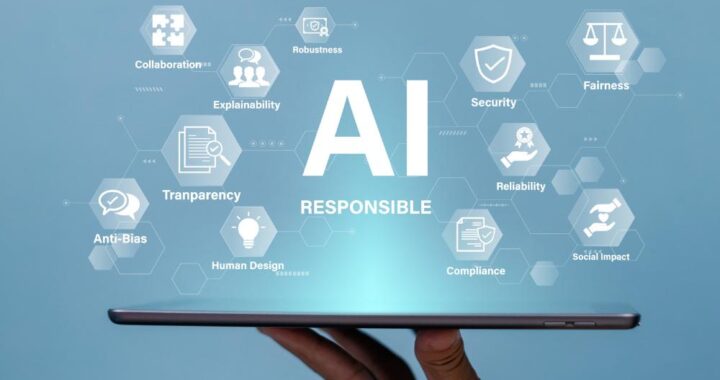
Artificial Intelligence in 2026 is no longer a futuristic concept—it is a daily companion. It enhances convenience, improves decision-making, and increases efficiency across nearly every aspect of life. While challenges like privacy and ethical use remain important, AI’s role in shaping a smarter, more connected world is undeniable. The key focus now is not whether AI will change life, but how responsibly it will be integrated into it.