Artificial Intelligence (AI) is no longer just a futuristic concept from movies—it is already a part of everyday life. From voice assistants on your phone to personalized recommendations on streaming platforms, AI is quietly working behind the scenes. This guide breaks down what AI is, how it works, and where you encounter it in daily life.
What is Artificial Intelligence?
Artificial Intelligence refers to the ability of machines or computer systems to perform tasks that normally require human intelligence. These tasks include learning, reasoning, problem-solving, understanding language, and even recognizing images or sounds.
In simple terms, AI is when computers are designed to “think” or make decisions in a smart way, often by learning from data instead of following only fixed instructions.
How Does AI Work?
AI works by using data and algorithms. An algorithm is like a set of step-by-step instructions that tells a computer how to solve a problem.
Here’s a simple breakdown of how AI learns:
- Data Collection: AI systems gather large amounts of information (text, images, videos, numbers, etc.).
- Training: The system uses this data to identify patterns and relationships.
- Machine Learning: Over time, the AI improves its accuracy by learning from mistakes and feedback.
- Prediction/Decision: Once trained, AI can make predictions or decisions based on new input.
For example, when you watch videos online, AI learns your preferences and suggests similar content you might like.
Types of AI in Simple Terms
- Narrow AI: Designed for a specific task (like voice assistants or recommendation systems).
- General AI: A future concept where machines can perform any intellectual task a human can do.
- Super AI: A theoretical form of AI that surpasses human intelligence.
Most AI we use today is Narrow AI.
Where is AI Used in Daily Life?
AI is already deeply integrated into modern life, often without people realizing it. Some common examples include:
- Smartphones: Face unlock, voice assistants like Siri or Google Assistant
- Social Media: Personalized feeds and content recommendations
- Online Shopping: Product suggestions based on your browsing history
- Navigation Apps: Real-time traffic updates and route optimization
- Healthcare: Disease detection and medical image analysis
- Entertainment: Netflix, YouTube, and Spotify recommendations
- Customer Service: Chatbots that answer common questions
Why AI Matters
AI is important because it helps save time, improves efficiency, and solves complex problems faster than humans alone. Businesses use it to make better decisions, while individuals benefit from more personalized and convenient services.
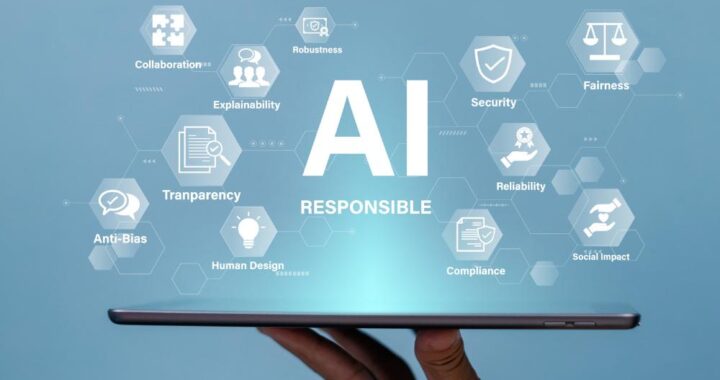
However, it also raises concerns like job changes, data privacy, and ethical use, which makes responsible development important.
Conclusion
Artificial Intelligence is transforming the way we live and work. At its core, AI is about teaching machines to learn from data and make intelligent decisions. From simple daily tasks like unlocking your phone to complex systems in healthcare and business, AI is becoming an essential part of modern life. Understanding the basics of AI helps us better appreciate how technology is shaping the future around us.