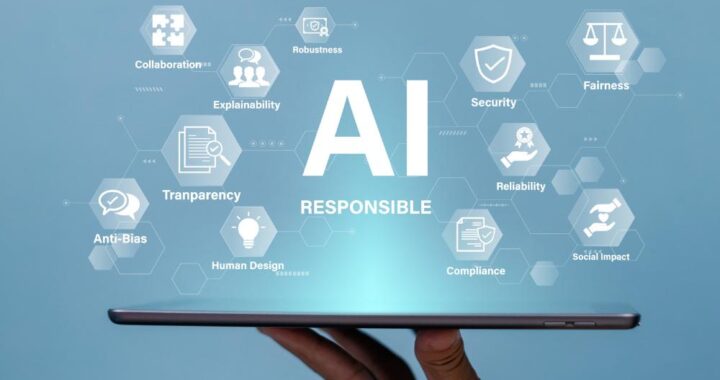
Artificial Intelligence is reshaping how we defend digital systems. As cyberattacks become more advanced, traditional security tools alone are no longer enough. The integration of Artificial Intelligence with Cybersecurity is helping organizations detect, prevent, and respond to threats faster than ever before.
1. Understanding AI in Cybersecurity


6
AI in cybersecurity refers to using machine learning models and intelligent algorithms to identify suspicious activity, analyze large datasets, and predict potential attacks.
Unlike traditional rule-based systems, AI can learn from patterns in data. This allows it to recognize new and unknown threats—also known as zero-day attacks—without needing pre-programmed signatures.
2. AI-Powered Threat Detection
Modern cyber threats are often hidden within massive amounts of network data. AI helps security systems detect anomalies in real time.
Key capabilities include:
- Identifying unusual login behavior
- Detecting phishing attempts
- Spotting malware signatures in encrypted traffic
- Monitoring network activity continuously
By analyzing behavior instead of relying only on known threat lists, AI significantly improves detection speed and accuracy.
3. Automated Incident Response


6
When a cyberattack occurs, speed is critical. AI-powered systems can automatically respond to threats without waiting for human intervention.
Examples of automated responses:
- Blocking suspicious IP addresses instantly
- Isolating infected devices from the network
- Resetting compromised user credentials
- Triggering alerts for security teams
This reduces damage and response time dramatically.
4. Benefits and Challenges of AI in Cybersecurity
AI brings powerful advantages, but it is not without limitations.
Benefits:
- Faster threat detection
- Reduced human workload
- Continuous 24/7 monitoring
- Improved accuracy in identifying threats
Challenges:
- High implementation cost
- Risk of false positives
- Dependence on quality training data
- AI systems themselves can be targeted by attackers
5. The Future of AI in Cyber Defense


8
The future of cybersecurity will be deeply integrated with AI and automation. Emerging technologies like predictive analytics, autonomous security systems, and AI-driven threat intelligence will redefine how organizations protect data.
We may also see AI working alongside quantum computing and advanced encryption to defend against highly sophisticated cyberattacks.
Conclusion
AI is no longer just a support tool in cybersecurity—it is becoming the backbone of modern digital defense. As threats evolve, AI systems will continue to learn, adapt, and strengthen protection across networks worldwide.