The world of technology is entering a new era defined by rapid innovation in artificial intelligence. The term “ainext” represents the next evolution of AI systems that will reshape industries, human behavior, and global economies over the coming decade. From smarter automation to human-like digital assistants, the AInext revolution is not just an upgrade—it is a transformation of how humans and machines interact. As AI continues to evolve, several key trends are expected to dominate the future landscape.
1. Hyper-Personalized AI Experiences
One of the strongest trends in the ainext revolution is hyper-personalization. AI systems are becoming increasingly capable of analyzing user behavior, preferences, and emotions to deliver highly customized experiences. Whether in entertainment, education, or online shopping, AI will adapt in real time to individual needs.
For example, streaming platforms will no longer just recommend content based on past viewing history but will understand mood, context, and even time of day. Similarly, educational platforms will create personalized learning paths that adjust dynamically to a student’s strengths and weaknesses.
2. Rise of Autonomous AI Agents
Autonomous AI agents are expected to become a central pillar of the ainext era. These are systems that can perform tasks independently without continuous human input. From managing emails and scheduling meetings to handling customer service and even conducting financial analysis, AI agents will act as digital coworkers.
Businesses will rely heavily on these agents to reduce operational costs and improve efficiency. Over time, these systems will evolve from task-based automation tools into decision-making assistants capable of handling complex workflows.
3. AI in Healthcare Transformation
Healthcare is one of the most promising sectors influenced by the ainext revolution. AI-driven diagnostics, predictive analytics, and robotic surgery are already making an impact, but the next decade will push these capabilities further.
AI will help detect diseases earlier, often before symptoms appear, using advanced pattern recognition in medical imaging and genetic data. Personalized treatment plans powered by AI will ensure patients receive the most effective care based on their unique biological makeup. This shift will significantly improve life expectancy and healthcare accessibility worldwide.
4. Generative AI and Creative Industries
Generative AI is another major trend shaping the ainext future. These systems can create text, images, music, videos, and even software code. In the coming years, creative industries will experience a major transformation as AI becomes a collaborative tool for artists, designers, and writers.
Instead of replacing human creativity, generative AI will enhance it. Content creators will be able to produce high-quality work faster and experiment with new ideas more easily. This will lead to a new hybrid creative economy where humans and AI work together to push artistic boundaries.
5. Ethical AI and Responsible Development
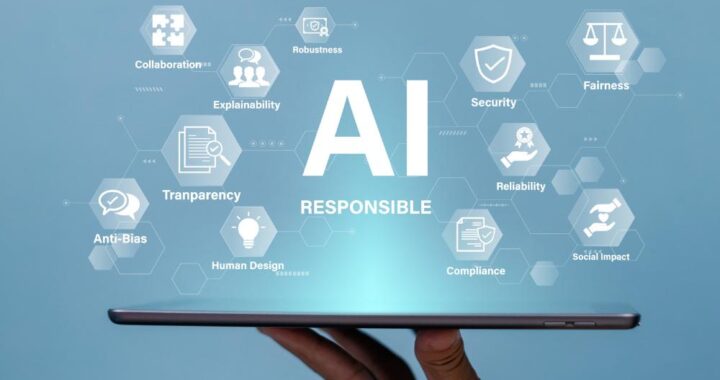
As AI becomes more powerful, ethical concerns will play a critical role in shaping the ainext landscape. Issues such as data privacy, algorithmic bias, and transparency will become central to global discussions.
Governments and organizations will establish stricter regulations to ensure AI systems are developed responsibly. Companies will need to prioritize fairness, accountability, and explainability in their AI models. This focus on ethical AI will help build trust and ensure that technological progress benefits society as a whole.
6. AI-Powered Smart Cities and Infrastructure
Smart cities represent one of the most visible applications of the ainext revolution. AI will be used to optimize traffic flow, reduce energy consumption, and improve public safety. Urban infrastructure will become more connected and intelligent, creating more efficient and sustainable living environments.
From smart transportation systems to automated waste management, AI will help cities operate more smoothly. This will not only improve quality of life but also support environmental sustainability goals in rapidly growing urban populations.
Conclusion
The ainext revolution is set to redefine the future of artificial intelligence across every major industry. From personalized digital experiences to autonomous systems, healthcare advancements, creative innovation, ethical frameworks, and smart cities, AI will become deeply integrated into everyday life.
As we move into the next decade, understanding these trends is essential for businesses, developers, and individuals alike. The future of AI is not just about technology—it is about how humans and machines evolve together in a smarter, more connected world driven by the power of ainext.