How AI Agents Will Change Work in 2026 and Beyond


Introduction: The Next Evolution of Artificial Intelligence 🚀
Artificial Intelligence has experienced a dramatic transformation over the last few years. From simple voice assistants and recommendation systems to advanced generative AI platforms, technology has continuously moved closer to human-like problem solving.
In 2026, the biggest shift in AI is expected to come from Agentic AI — a new generation of artificial intelligence systems capable of acting independently, making decisions, planning tasks, and completing complex workflows with minimal human supervision.
Unlike traditional AI chatbots that only respond to user instructions, AI agents can understand goals, break them into smaller tasks, use digital tools, analyze information, and execute actions automatically.
Imagine telling an AI assistant:
“Analyze our sales data, identify market trends, prepare a strategy report, send emails to potential customers, and schedule meetings with interested leads.”
A traditional chatbot may provide suggestions or write a report. An AI agent can potentially complete the entire workflow by connecting with business software, databases, communication tools, and automation platforms.
This transition represents a major change in how humans interact with technology. Companies are moving from AI copilots that assist employees toward autonomous digital workers that collaborate with humans.
🧠 What Is Agentic AI?
Agentic AI refers to artificial intelligence systems designed to operate as autonomous agents capable of achieving specific goals.
The word “agentic” comes from the concept of agency — the ability to act independently.
Traditional AI models mainly follow instructions:
User → Question → AI Response
Agentic AI follows a more advanced process:
User Goal → Planning → Decision Making → Tool Usage → Action Execution → Result Evaluation
An AI agent does not simply answer questions. It works toward achieving objectives.
For example:
A chatbot:
👤 User: “How can I improve my website traffic?”
🤖 AI: Provides SEO suggestions.
An AI agent:
👤 User: “Increase my website traffic.”
🤖 AI Agent:
✅ Analyzes website performance
✅ Researches competitors
✅ Finds keyword opportunities
✅ Creates content plans
✅ Updates SEO reports
✅ Tracks results
The AI becomes an active problem solver rather than a passive assistant.
⚙️ How Do AI Agents Work?


AI agents combine several technologies to perform autonomous tasks.
1. Understanding Goals Through Large Language Models (LLMs)
The foundation of modern AI agents is usually a powerful language model.
Large Language Models allow AI systems to:
- Understand natural language
- Interpret user intentions
- Generate solutions
- Analyze information
- Communicate effectively
Models from companies such as OpenAI, Google, Anthropic, and others are becoming increasingly capable of supporting agent-based systems.
2. Planning and Reasoning 🧩
One of the biggest differences between chatbots and AI agents is planning ability.
An AI agent can divide a large objective into smaller steps.
Example:
Goal:
“Create a marketing campaign.”
The AI agent may plan:
Step 1:
Research target customers.
Step 2:
Analyze competitors.
Step 3:
Create advertising ideas.
Step 4:
Generate social media content.
Step 5:
Measure campaign performance.
This ability allows AI agents to handle complicated projects.
3. Memory and Learning 📚
AI agents can use memory systems to improve their performance.
Memory allows agents to remember:
- Previous conversations
- User preferences
- Business information
- Past decisions
- Workflow patterns
For example, an AI business assistant can remember company guidelines and automatically follow them during future tasks.
4. Tool Usage and Integration 🔧
The biggest power of AI agents comes from their ability to use external tools.
Agents can connect with:
- Email platforms
- Customer relationship management systems
- Databases
- Coding environments
- Search engines
- Financial software
- Project management tools
Instead of only generating text, AI agents can perform real-world digital actions.
5. Self-Evaluation and Improvement 🔄
Advanced AI agents can review their own work.
Example:
An AI research agent:
- Collects information.
- Creates a report.
- Checks accuracy.
- Finds missing information.
- Improves the final result.
This creates a continuous improvement cycle.
🤖 AI Agents vs Chatbots: What Is the Difference?


Many people confuse AI agents with chatbots, but they represent different stages of AI development.
| Feature | Chatbots | AI Agents |
|---|---|---|
| Main Function | Answer questions | Complete tasks |
| Decision Making | Limited | Advanced |
| Task Execution | Mostly passive | Autonomous |
| Tool Usage | Limited | Extensive |
| Memory | Basic | Long-term |
| Workflow Management | No | Yes |
| Human Intervention | Frequent | Reduced |
Example: Customer Service
A chatbot:
Customer:
“Where is my order?”
AI:
“Your order is currently being processed.”
An AI agent:
✅ Checks order database
✅ Tracks shipment
✅ Contacts delivery provider
✅ Updates customer
✅ Creates support ticket if needed
The agent completes the entire process.
🏢 How Businesses Will Use Autonomous AI in 2026
The business world is expected to become one of the biggest users of AI agents.
Companies are moving beyond AI assistants toward autonomous systems that manage daily operations.
1. AI Agents in Customer Service 📞
Customer support is one of the most promising areas for AI agents.
Future customer service agents will:
- Answer customer questions
- Process refunds
- Handle complaints
- Recommend products
- Update customer records
- Escalate complex issues
Businesses can provide 24/7 support while reducing operational costs.
AI agents will not completely replace human employees. Instead, they will handle repetitive tasks while humans focus on complex problems requiring empathy and creativity.
2. AI Agents in Software Development 💻
The software industry is already experiencing major changes through AI coding assistants.
In 2026, AI agents may become more independent development partners.
A coding agent could:
✅ Understand software requirements
✅ Create application designs
✅ Write code
✅ Test applications
✅ Find bugs
✅ Improve performance
✅ Deploy updates
Developers will increasingly work as managers and reviewers of AI-generated solutions.
The future programmer may not spend all day writing code manually. Instead, they may guide multiple AI coding agents.
3. AI Agents in Business Research 📊
Research requires collecting information, analyzing data, and creating reports.
AI research agents can:
- Monitor industry trends
- Analyze competitors
- Summarize documents
- Generate business insights
- Prepare presentations
Executives can receive real-time intelligence without spending hours analyzing information.
4. AI Agents in Marketing and Sales 📢
Marketing teams will use AI agents for automation.
Possible applications include:
- Customer research
- Content creation
- Email campaigns
- Lead generation
- Advertisement optimization
- Market analysis
Example:
A sales AI agent could identify potential customers, personalize communication, schedule meetings, and update sales records automatically.
5. AI Agents in Healthcare 🏥
Healthcare is another important area for AI agents.
Potential applications:
- Patient scheduling
- Medical research assistance
- Administrative automation
- Healthcare data analysis
Doctors may use AI agents to reduce paperwork and spend more time with patients.
However, healthcare AI must follow strict privacy and safety regulations.
6. AI Agents in Education 🎓
Education may experience a major transformation.
AI learning agents could provide:
- Personalized tutoring
- Study planning
- Exam preparation
- Learning recommendations
- Instant feedback
Every student could have a personal AI tutor available anytime.
🌎 Why Agentic AI Is Becoming Popular in 2026
Several factors are driving the growth of AI agents.
1. Better AI Models
Modern AI systems have become more intelligent, accurate, and capable of reasoning.
2. Increased Business Automation Needs
Companies want faster operations and lower costs.
AI agents can automate repetitive workflows and improve productivity.
3. Digital Transformation
Businesses now depend on:
- Cloud platforms
- Data systems
- Online communication
- Automation tools
AI agents can connect these systems together.
4. Human-AI Collaboration
The future is not only about replacing humans.
The biggest opportunity is collaboration.
Humans provide:
✨ Creativity
✨ Leadership
✨ Emotional intelligence
✨ Strategic thinking
AI agents provide:
⚡ Speed
⚡ Data processing
⚡ Automation
⚡ Continuous operation
Together they create more powerful workflows.
⚠️ Challenges and Risks of Agentic AI
Although AI agents offer enormous possibilities, they also create important challenges.
1. Security Risks 🔐
Autonomous systems with access to business tools must be carefully protected.
A compromised AI agent could create serious problems.
2. Decision Accuracy
AI agents can make mistakes.
Companies must ensure proper monitoring and human oversight.
3. Job Transformation
AI agents will change many jobs.
Some repetitive tasks may become automated, but new roles will emerge:
- AI supervisors
- AI workflow designers
- AI trainers
- AI ethics specialists
The future workplace will require AI skills.
4. Privacy Concerns
AI agents often require access to large amounts of information.
Strong privacy protection will become essential.
🔮 The Future of Work With AI Agents


The workplace of 2026 and beyond will likely look very different.
Employees may work alongside multiple AI agents.
A manager could have:
🤖 Research Agent
🤖 Marketing Agent
🤖 Finance Agent
🤖 Customer Support Agent
🤖 Scheduling Agent
Instead of using dozens of software applications manually, employees may simply communicate with AI systems.
The workplace will shift from:
“Using software”
to
“Managing intelligent digital workers.”
🌟 Skills Needed in the Agentic AI Era
To succeed in an AI-powered world, professionals should develop:
1. AI Literacy
Understanding how AI systems work will become essential.
2. Prompt Engineering
Learning how to communicate effectively with AI models.
3. Critical Thinking
Humans will remain responsible for evaluating AI decisions.
4. Domain Knowledge
Experts who combine AI skills with industry knowledge will have an advantage.
5. Creativity
Creative thinking will become even more valuable.
🚀 Conclusion: Agentic AI Will Redefine Digital Assistance
Agentic AI represents one of the biggest transformations in the history of artificial intelligence.
The future is moving beyond simple chatbots toward autonomous AI assistants capable of planning, reasoning, and completing complex tasks.
In 2026, AI agents will influence industries including software development, customer service, marketing, healthcare, education, and business operations.
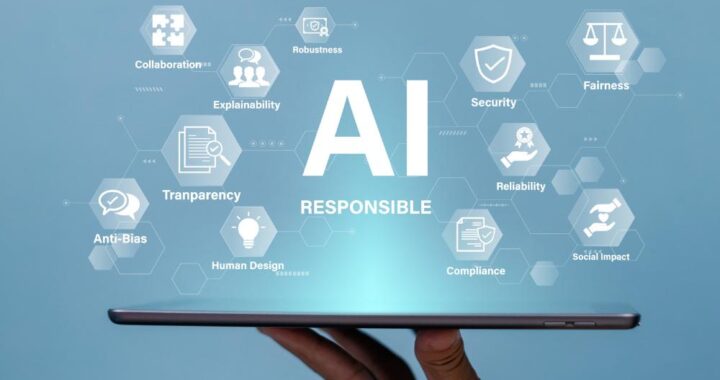
However, the success of Agentic AI will depend on responsible development, strong security, human supervision, and ethical use.
The future will not be humans versus AI.
The future will be humans working together with intelligent AI agents to achieve more than ever before. 🤖