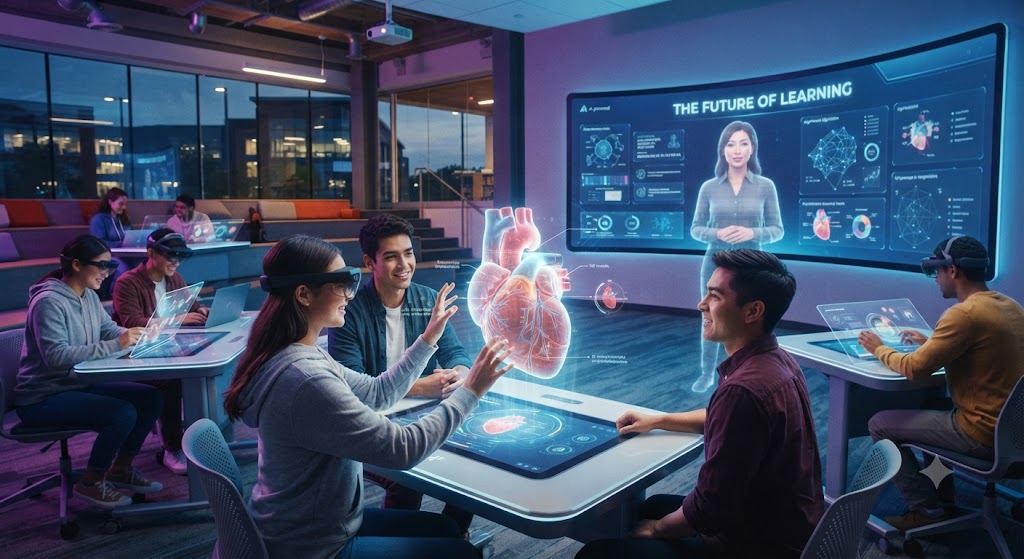
Welcome to the cutting edge of educational evolution! 🌟 As we step deeper into the digital age, traditional classrooms defined by chalkboards and static textbooks are undergoing a monumental transformation. Today’s academic environments are merging physical spaces with next-generation technologies like artificial intelligence, multi-touch tablets, and breathtaking AI-powered holographic study assistants. This comprehensive guide explores how futuristic classrooms are shaping student success, optimizing mock test analytics, and redefining the boundaries of human potential.
🌟 1. The Paradigm Shift in Modern Education
The traditional one-size-fits-all model of teaching is rapidly fading into history. For decades, educators struggled to address the unique learning paces and cognitive styles of individual students within overcrowded classrooms. Today, artificial intelligence acts as an invisible bridge, closing the gap between standardized instruction and personalized mastery.
Modern classrooms are vibrant, tech-infused hubs where students utilize sleek laptops, high-performance tablets, and dynamic digital whiteboards. These tools do more than just digitize notes; they create an interconnected ecosystem where data flows seamlessly between students, instructors, and intelligent systems. By integrating advanced machine learning frameworks, educational institutions can foster an atmosphere of high collaboration, curiosity, and unmatched academic rigor.
💻 2. Laptops, Tablets, and the Paperless Transition
The humble notebook has found a powerful digital counterpart. In contemporary learning spaces, laptops and tablets serve as primary portals to infinite reservoirs of human knowledge.
- Dynamic Note-Taking and Cloud Syncing: Students no longer worry about lost pages or damaged binders. Cloud-integrated tablets allow real-time synchronization of annotations, diagrams, and collaborative essays.
- Interactive E-Textbooks: Digital textbooks embedded with video simulations, interactive 3D models, and hyperlinks allow learners to manipulate complex physics formulas or biological structures right on their screens.
- Seamless Multi-Device Workflow: A student can start drafting a research paper on a tablet during a lecture, refine data models on a high-powered laptop, and present findings on a smart-wall display without missing a beat.
This transition minimizes physical clutter while maximizing productivity, ensuring that every learner stays organized and focused on high-level cognitive tasks.
📊 3. Decoding Success: Mock Test Analytics and Performance Graphs
One of the most revolutionary aspects of the modern classroom is the presence of comprehensive digital dashboards tracking mock test analytics. Preparing for hyper-competitive entrance exams, board certifications, or global academic assessments requires more than hard work—it demands precision strategy.
+-------------------------------------------------------------+
|               MOCK TEST ANALYTICS DASHBOARD                 |
+-------------------------------------------------------------+
|  [Score Trends: 94%]          [Time Management: Optimal]    |
|  [Accuracy Rate: 91.5%]       [Weakness Identified: Calculus]|
+-------------------------------------------------------------+
Unlocking Granular Insights
Advanced analytics engines track every single interaction a student makes during practice assessments. They analyze:
- Time-on-Task Metrics: Identifying which sections cause bottlenecks and where students spend excessive time doubting themselves.
- Error Pattern Recognition: Pinpointing whether mistakes stem from conceptual misunderstandings, miscalculations, or rushed reading.
- Predictive Scoring Models: Projecting final exam performance based on historical trends and current trajectory, allowing educators to intervene proactively.
Visual graphs displayed across wall-mounted monitors provide instant feedback, helping students celebrate milestones while ruthlessly targeting their knowledge gaps.
✨ 4. Holographic Study Assistants: Bringing Concepts to Life
Imagine studying cellular mitosis, quantum mechanics, or ancient architectural structures not from a flat, two-dimensional diagram, but as a full-color, interactive three-dimensional hologram floating directly above your desk.
AI-powered holographic study assistants represent the pinnacle of immersive educational tech. Utilizing advanced motion machine learning and natural language processing, these holographic guides respond to natural hand gestures and spoken queries.
- Conversational AI Mentors: Students can converse directly with AI-rendered subject matter experts or historical figures, asking complex follow-up questions and receiving source-grounded, real-time answers.
- Spatial Comprehension: Abstract concepts become tangible. Engineering students can rotate virtual jet engines, while medical aspirants can peel back layers of a holographic cardiovascular system layer by layer.
- Reduced Cognitive Load: By engaging multiple senses simultaneously, holographic assistants boost memory retention, cognitive flexibility, and overall subject enthusiasm.
🏫 5. Anatomy of a Bright Academic Environment
Technology alone cannot foster genius; the physical and psychological environment matters deeply. Modern academic spaces are meticulously engineered to maximize comfort, natural light, and collaborative synergy.
- Biophilic Architecture and Lighting: Expansive floor-to-ceiling windows flood classrooms with natural daylight, regulating circadian rhythms and keeping students alert during intense study marathons.
- Ergonomic Seating: Fully adjustable mesh chairs support long hours of focused preparation without causing physical fatigue or poor posture.
- Acoustic Harmony: Wall panels featuring sound-absorbing materials minimize distracting background echoes, ensuring that students immersed in deep analytical work remain undisturbed.
🎯 6. Preparing for Competitive Exams in the AI Era
Exams like medical boards, civil service tests, engineering entrances, and global olympiads are notoriously grueling. In the past, success relied heavily on rote memorization and expensive private tutoring. Today, AI-driven learning democratizes excellence.
- Adaptive Difficulty Scaling: AI engines monitor performance and dynamically adjust the difficulty of practice questions, ensuring students operate continuously within their optimal zone of proximal development.
- Personalized Study Roadmaps: Machine learning algorithms construct custom revision timetables tailored explicitly to an individual’s biorhythms, strengths, and target exam dates.
- Burnout Prevention: By monitoring engagement metrics and test stress indicators, smart systems can recommend mandatory breaks, sleep optimization tips, and mental resets to sustain peak performance.
🔮 7. Ethical Considerations and the Human Element
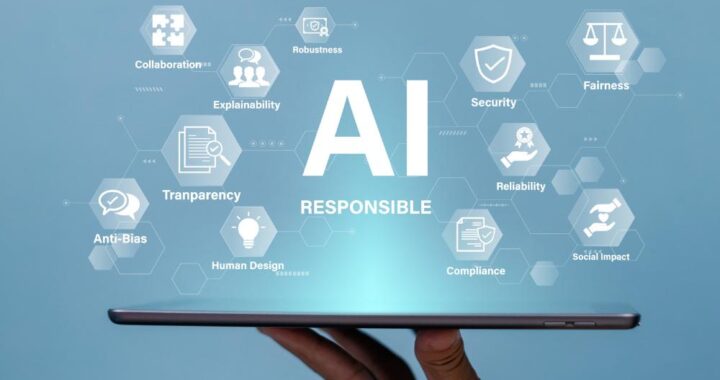
While the integration of artificial intelligence and holograms creates awe-inspiring learning environments, educators frequently emphasize the importance of maintaining human connection. Technology should amplify empathy, mentorship, and inspiration—not replace them.
- Data Privacy Safeguards: Protecting sensitive student performance data requires robust zero-trust security architectures and strict encryption frameworks.
- Preventing Isolation: Over-reliance on virtual assistants can sometimes run the risk of emotional disconnection; therefore, modern curricula intentionally blend high-tech independent study with collaborative group debates and peer-to-peer workshops.
- Teacher as Facilitator: Instructors shift from being mere lecturers delivering static facts to becoming strategic mentors who guide students through complex data insights and foster emotional resilience.
🏁 Conclusion
The modern classroom has evolved into a breathtaking nexus of human ambition and artificial intelligence. From laptops and tablets streamlining daily workflows to mock test analytics revealing hidden pathways to improvement, and from AI holographic assistants making abstract wonders tangible to bright, ergonomic study environments designed for ultimate focus—the future of education is already here. As we continue embracing these innovative tools, we unlock an unprecedented era of learning where every student is empowered to achieve their absolute highest potential. 🌟🎓