Introduction: Entering the New Era of AI Next 🌐✨
Artificial Intelligence (AI) has become one of the most influential technologies shaping the modern world. From automated business solutions and intelligent assistants to advanced scientific discoveries, AI is changing how humans interact with technology. The concept of AI Next represents the future evolution of artificial intelligence, where smarter, faster, and more adaptive systems will become an essential part of everyday life.
The next generation of AI is not only about creating machines that perform tasks. It focuses on developing intelligent systems that can understand information, learn from experiences, generate creative solutions, and collaborate with humans. AI Next represents a future where technology becomes more personalized, efficient, and connected.
As digital transformation continues worldwide, organizations, researchers, and innovators are exploring new possibilities for artificial intelligence. The development of advanced algorithms, powerful computing systems, and massive data networks is creating opportunities that were once considered impossible.
From healthcare and education to finance, entertainment, and environmental research, AI Next is opening new pathways for innovation. The future will not simply be controlled by machines; instead, it will be built through cooperation between human intelligence and artificial intelligence.
Understanding AI Next and Its Importance 🧠🚀


AI Next refers to the upcoming generation of artificial intelligence technologies designed to provide more advanced capabilities compared with traditional AI systems. Earlier AI applications were mainly based on programmed instructions, but modern AI systems can learn patterns, analyze complex information, and improve their performance over time.
The importance of AI Next comes from its ability to solve increasingly complex problems. Businesses, governments, researchers, and individuals are looking toward AI as a powerful tool for improving productivity and creating new opportunities.
One major difference between traditional technology and AI Next is adaptability. Instead of depending only on fixed rules, next-generation AI can process changing information and adjust its responses according to new situations.
For example, an AI-powered healthcare system can analyze medical information and assist doctors with better recommendations. An educational AI platform can adjust lessons according to a student’s learning style. A business AI system can identify market trends and suggest strategies.
The development of AI Next is creating a future where technology becomes more intelligent, interactive, and useful.
The Evolution of Artificial Intelligence Technology ⚡🤖


The journey of artificial intelligence has developed through several important stages. Early AI research began with the idea that machines could simulate human reasoning. However, limited computing power and available data prevented early systems from reaching their full potential.
The introduction of machine learning changed the direction of AI development. Instead of programming every possible action, developers created systems that could learn from information and improve automatically.
Deep learning became another major breakthrough. Using artificial neural networks, deep learning systems can recognize images, understand speech, and process large amounts of data with impressive accuracy.
Today, AI technology has entered a new stage. Generative AI systems can create text, images, music, and software code. Intelligent automation tools can perform complicated business operations. Robotics combined with AI allows machines to interact with the physical world.
AI Next represents the combination of these innovations. It brings together machine learning, automation, robotics, cloud computing, and advanced data analysis to create more powerful intelligent solutions.
AI Next in Everyday Life 📱🌍


Many people already use artificial intelligence daily without realizing it. AI technology operates behind many digital services, making experiences faster and more personalized.
Smartphones use AI for voice recognition, photography enhancement, security features, and personalized recommendations. Online platforms analyze user preferences to provide relevant content and suggestions.
Smart home technology is another example of AI integration. Intelligent devices can control lighting, temperature, security systems, and entertainment options. These technologies help people save time and improve convenience.
AI Next will make these experiences even more advanced. Future AI systems may understand user habits and provide proactive assistance. Instead of waiting for instructions, AI could anticipate needs and suggest helpful actions.
For example, an AI assistant might organize schedules, recommend efficient travel routes, manage personal tasks, or provide reminders based on daily activities.
The future of AI is moving toward creating digital companions that support human activities in meaningful ways.
AI Next Transforming Business and Industry 💼📊


Businesses across the world are adopting artificial intelligence to improve efficiency, reduce costs, and create better customer experiences. AI Next is expected to accelerate this transformation by introducing smarter automation and advanced decision-making systems.
In marketing, AI helps companies understand customer behavior and create personalized campaigns. Intelligent systems can analyze purchasing patterns, identify trends, and predict future demands.
In manufacturing, AI-powered robots and smart machines are improving production processes. Automated systems can monitor equipment performance, detect problems, and increase operational efficiency.
Financial industries are also benefiting from AI technology. Banks and financial organizations use AI for fraud detection, risk management, and customer support.
Customer service is another area where AI Next is making significant progress. Intelligent chat systems can provide instant assistance, answer questions, and help customers find solutions quickly.
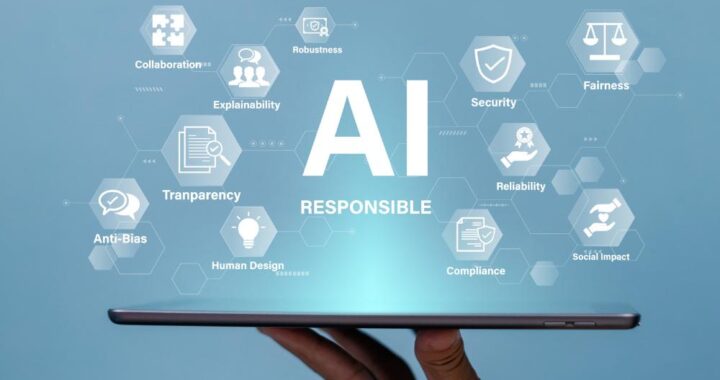
However, successful AI adoption requires balance. Businesses must combine artificial intelligence with human creativity, strategic thinking, and ethical responsibility.
The companies that effectively integrate AI while maintaining human-centered approaches will be better prepared for future challenges.