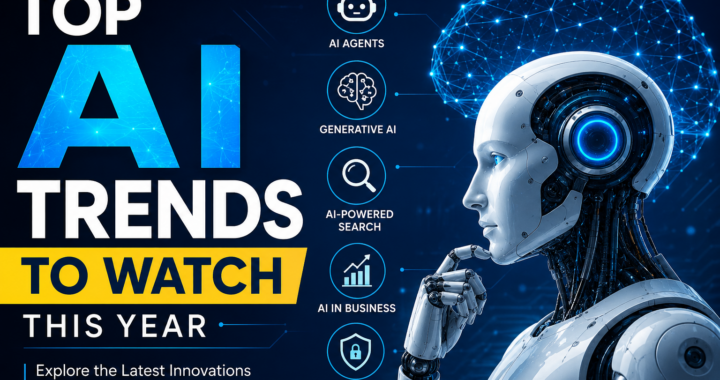
AINEXT is an emerging term that reflects the next phase of artificial intelligence development, where systems are not only intelligent but also adaptive and self-improving. The concept of ainext focuses on combining advanced algorithms with real-time data processing to create smarter digital environments. Unlike earlier AI systems that rely on fixed programming, ainext introduces a dynamic approach where machines can learn continuously from new data. This evolution allows technology to respond more effectively to changing user needs, making ainext a key element in the transformation of modern digital ecosystems.
The Technological Foundation of AINEXT
At the core of ainext lies a combination of machine learning, deep learning, and big data analytics. These technologies work together to enable systems to process vast amounts of information with speed and accuracy. Ainext platforms are often supported by cloud computing, which allows them to scale efficiently and handle complex tasks without performance issues. Additionally, advanced data modeling techniques help ainext systems identify patterns and generate meaningful insights. This strong technological foundation is what makes ainext capable of delivering more intelligent and efficient digital solutions.
Real-World Applications of AINEXT
AINEXT is becoming increasingly relevant across a wide range of industries. In the healthcare sector, ainext is used to analyze patient data, predict health risks, and assist in medical decision-making. In business and finance, ainext helps organizations optimize operations, manage risks, and improve customer experiences through predictive insights. The retail industry uses ainext to personalize shopping experiences and forecast demand trends. Meanwhile, in transportation and logistics, ainext improves route planning and resource allocation, making operations faster and more cost-effective.
Advantages of AINEXT in Digital Transformation
One of the major advantages of ainext is its ability to enhance efficiency and productivity. By automating repetitive tasks, ainext allows organizations to focus on more strategic activities. It also improves accuracy by reducing the likelihood of human error in data processing and analysis. Another important benefit is its ability to provide real-time insights, which helps businesses make faster and more informed decisions. Ainext also contributes to better user engagement by offering personalized and responsive digital experiences, which are essential in today’s competitive environment.
Challenges and Risks of AINEXT Adoption
While ainext offers numerous benefits, it also presents certain challenges that cannot be ignored. Data privacy and security remain major concerns, as these systems rely heavily on large datasets. Ensuring that sensitive information is protected is crucial for maintaining trust in ainext technologies. Another challenge is the complexity of implementation, which may require significant investment in infrastructure and skilled professionals. Additionally, the increasing reliance on automated systems raises concerns about job displacement and the ethical use of artificial intelligence in decision-making processes.
Future Outlook of AINEXT Technology
The future of ainext looks promising as continuous advancements in technology drive innovation forward. Ainext is expected to play a significant role in the development of smart cities, autonomous vehicles, and advanced digital services. As research progresses, these systems will become more efficient, secure, and accessible to a wider range of users. There is also a growing focus on creating ethical frameworks to ensure that ainext is used responsibly. With its potential to transform industries and improve everyday life, ainext is set to become a cornerstone of the next generation of intelligent technology.