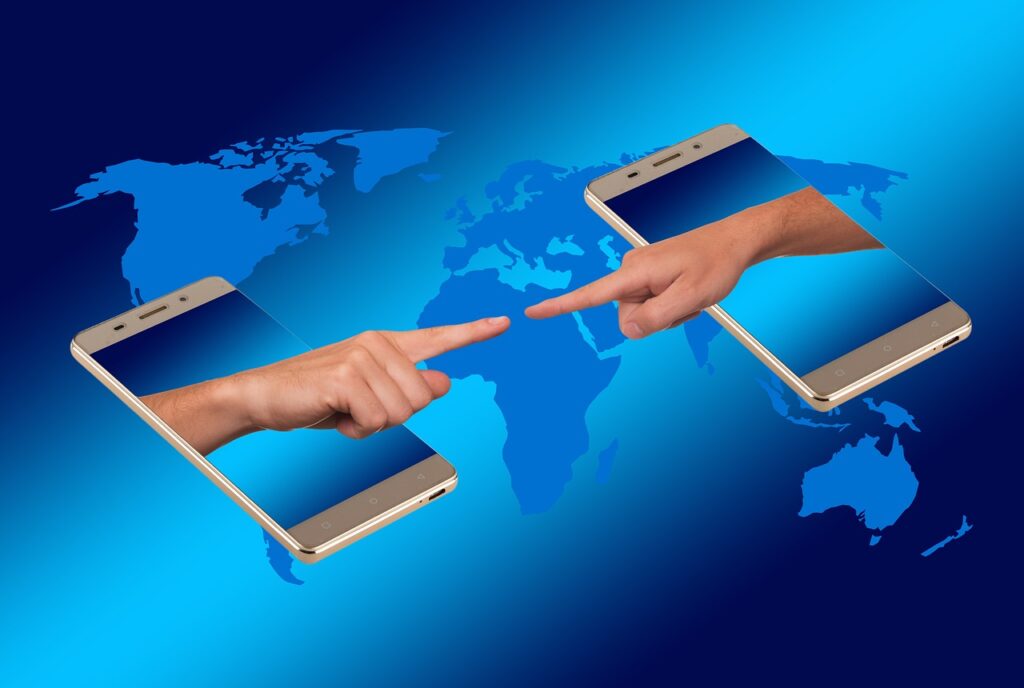
Smartphones have evolved from simple communication devices into powerful pocket-sized computers that shape how we work, learn, and interact with the world. As technology continues to advance rapidly, the future of smartphones promises even more dramatic transformations. From artificial intelligence integration to new hardware designs and immersive experiences, smartphones are expected to become smarter, more intuitive, and deeply integrated into everyday life.
1. Artificial Intelligence at the Core of Smartphones
One of the most significant changes in the future of smartphones will be the deeper integration of artificial intelligence (AI). While today’s phones already use AI for tasks like photography enhancement, voice assistants, and predictive text, future smartphones will go much further.
AI will act as a personal digital companion that learns user behavior over time. It will anticipate needs before they are expressed, such as suggesting routes before a commute, preparing schedules automatically, or even summarizing messages and emails based on priority. AI-powered assistants will become more conversational and human-like, capable of handling complex tasks such as booking travel, managing finances, or coordinating smart home systems seamlessly.
Moreover, on-device AI processing will improve privacy and speed, reducing reliance on cloud computing. This shift will make smartphones faster, more secure, and more personalized than ever before.
2. Foldable, Flexible, and New Form Factors
The traditional slab-shaped smartphone is slowly evolving. In the future, we can expect widespread adoption of foldable, rollable, and even stretchable devices. These new form factors will redefine portability and usability.
Foldable phones are already emerging, but future versions will be more durable, affordable, and seamless in design. Rollable displays may allow users to expand their screens only when needed, offering tablet-like experiences in a compact device. Some prototypes even suggest wearable smartphone designs integrated into clothing or accessories.
This evolution will blur the line between smartphones, tablets, and wearable devices. Users will have the flexibility to switch between different modes depending on their needs—work, entertainment, or communication—without carrying multiple gadgets.
3. Enhanced Connectivity with 6G and Beyond
Connectivity will be another major leap in the future of smartphones. While 5G is still being rolled out globally, researchers are already developing 6G technology, which is expected to revolutionize mobile communication.
6G networks will offer extremely low latency, ultra-fast data speeds, and more reliable connections. This will enable real-time holographic communication, advanced augmented reality (AR), and fully immersive virtual reality (VR) experiences directly from smartphones.
Smartphones will also become central hubs in a highly connected ecosystem of devices. From autonomous cars to smart cities, phones will act as control centers, managing data and communication between billions of interconnected devices. This level of connectivity will make digital experiences more seamless and instantaneous.
4. Advanced Cameras and Immersive Experiences
Smartphone cameras have already replaced traditional point-and-shoot cameras for most users, but future innovations will push mobile photography even further. Computational photography will dominate, allowing smartphones to capture professional-grade images in any lighting condition.
Future devices may include multi-layered sensors, periscope zoom systems with extreme magnification, and AI-powered editing tools that can automatically enhance images or even recreate missing details. Video recording will also improve significantly, with 8K or even higher resolutions becoming standard.
In addition, smartphones will play a key role in augmented and virtual reality. Instead of just viewing content on screens, users will interact with immersive digital environments. This could transform gaming, education, remote work, and entertainment, making smartphones gateways to mixed-reality worlds.
Conclusion
The future of smartphones is set to redefine how humans interact with technology on a daily basis. With advancements in artificial intelligence, innovative hardware designs, next-generation connectivity, and immersive visual experiences, smartphones will evolve beyond communication tools into intelligent personal assistants and digital ecosystems. They will become more adaptive, more powerful, and more integrated into every aspect of life. As these innovations unfold, smartphones will not only keep us connected but also reshape industries, lifestyles, and human experiences in ways we are only beginning to imagine.