In 2026, productivity is no longer just about working harder—it’s about working smarter with AI, automation, and all-in-one systems. The best productivity apps now combine task management, note-taking, collaboration, and artificial intelligence to reduce manual effort and help you focus on meaningful work. Whether you’re a student, freelancer, or professional, the right tools can save hours every day.
Below are the most effective productivity apps in 2026 that are shaping how people work globally.
1. Notion – The All-in-One Workspace
Notion continues to dominate as one of the most powerful productivity platforms in 2026. It combines notes, databases, project management, and AI assistance in one place.
Its biggest strength is flexibility—you can build personal dashboards, team wikis, content calendars, or full business systems. With built-in AI features, Notion can now summarize notes, generate action items, and even draft documents automatically.
Best for: Students, creators, startups, and teams who want everything in one system.
2. Todoist – Simple but Powerful Task Management
Todoist remains one of the cleanest and most reliable task managers in 2026. It is known for its simplicity and speed.
You can add tasks using natural language like “submit report tomorrow 5 PM,” and it automatically schedules it. It also supports reminders, priority levels, and productivity tracking.
Best for: Daily task organization and personal productivity systems.
3. Microsoft Copilot – AI Inside Your Work Tools
Microsoft Copilot has become a major productivity booster by integrating AI directly into Word, Excel, PowerPoint, and Outlook.
Instead of switching between apps, you can now ask Copilot to:
- Summarize emails
- Create presentations
- Analyze spreadsheets
- Draft professional documents
This deep integration makes it extremely useful for office workers and corporate teams.
Best for: Professionals using Microsoft Office daily.
4. Google Workspace AI – Smart Collaboration Tools
Google Workspace has evolved into a highly AI-powered productivity ecosystem in 2026. Gmail, Docs, Sheets, and Drive now include intelligent suggestions, writing assistance, and automated summaries.
For teams, real-time collaboration combined with AI support makes document creation and communication much faster.
Best for: Remote teams and cloud-based collaboration.
5. Notion AI & AI Writing Assistants
AI tools inside productivity apps are now essential. Notion AI and other writing assistants like ChatGPT-style tools are widely used for:
- Writing emails and reports
- Brainstorming ideas
- Summarizing long documents
- Creating structured plans
These tools reduce mental load and speed up content creation significantly.
Best for: Writers, marketers, and students.
6. Otter.ai – Smart Meeting Assistant
Otter.ai is one of the most useful tools for meetings in 2026. It automatically records conversations, generates transcripts, and highlights key action points.
Instead of taking notes manually, users can focus fully on discussions while Otter.ai captures everything in real time.
Best for: Business meetings, online classes, and interviews.
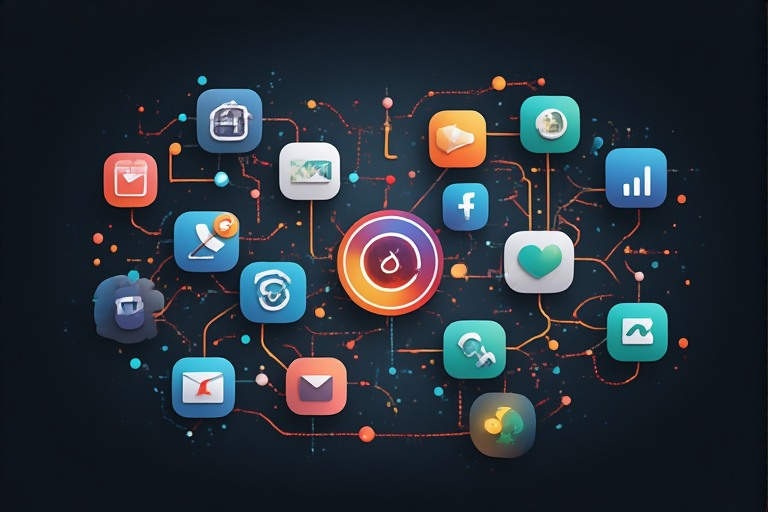
7. Zapier – Automation Without Coding
Zapier helps connect different apps and automate repetitive workflows.
For example:
- Save email attachments to cloud storage automatically
- Post social media updates from a single dashboard
- Sync data between apps without manual input
Automation is now a key productivity factor in 2026, and Zapier is one of the leaders.
Best for: Entrepreneurs and workflow automation.
8. AI Assistants (ChatGPT-style tools)
AI assistants like ChatGPT have become everyday productivity companions. They help with:
- Writing content
- Coding assistance
- Research summaries
- Planning tasks
According to industry analyses, these tools can save several hours per week by handling repetitive cognitive tasks.
Best for: Almost everyone—students to professionals.
Conclusion
The best productivity apps in 2026 are not just single-purpose tools—they are smart ecosystems powered by AI and automation. Apps like Notion, Todoist, Microsoft Copilot, and Zapier help manage structure, while AI assistants handle thinking, writing, and analysis.
The key trend is clear: productivity is shifting from manual effort to AI-supported workflows, where apps do most of the repetitive work so you can focus on creativity and decision-making.