Artificial Intelligence (AI) is no longer a futuristic concept found only in science fiction movies. It has become part of our everyday lives, influencing the way we work, communicate, shop, travel, and even learn. From voice assistants and recommendation systems to self-driving technology and advanced healthcare tools, AI is transforming industries at a rapid pace. Because of this shift, learning AI skills is becoming one of the most valuable investments individuals can make for their future careers.
Many companies are now searching for employees who understand AI technologies or can work alongside intelligent systems. Even professionals in non-technical industries are expected to have at least a basic understanding of how AI works and how it can improve productivity. The rise of automation and data-driven decision-making means that future jobs will increasingly require digital and analytical skills.
In this article, we will explore why learning AI skills could be important for future careers, how AI is reshaping industries, which skills are worth learning, and how individuals can prepare themselves for an AI-driven future.
The Growing Influence of AI Across Industries

AI is rapidly changing almost every industry around the world. Businesses are using AI tools to analyze data, automate repetitive tasks, improve customer experiences, and increase efficiency. This widespread adoption is creating demand for workers who can understand and apply AI technologies.
In healthcare, AI is helping doctors diagnose diseases faster and more accurately. Medical imaging systems powered by AI can identify patterns that may be difficult for humans to notice. Hospitals also use AI to manage patient records and improve treatment planning.
In finance, AI systems are used to detect fraud, predict market trends, and automate customer support. Banks and financial companies rely on AI algorithms to process large amounts of information quickly and make better decisions.
The retail industry uses AI to personalize shopping experiences. Online stores recommend products based on customer preferences and purchasing behavior. AI-powered chatbots also provide instant customer service, improving user satisfaction.
Education is another field being transformed by AI. Personalized learning systems can adapt lessons to individual student needs, making education more efficient and accessible. Teachers can also use AI tools to automate grading and administrative tasks.
Even creative industries such as graphic design, music production, and content writing are seeing the influence of AI. Tools powered by AI can assist creators with generating ideas, editing content, and improving workflows.
Because AI is becoming deeply integrated into different sectors, workers with AI-related knowledge are likely to have a competitive advantage in the future job market.
AI Skills Can Increase Career Opportunities
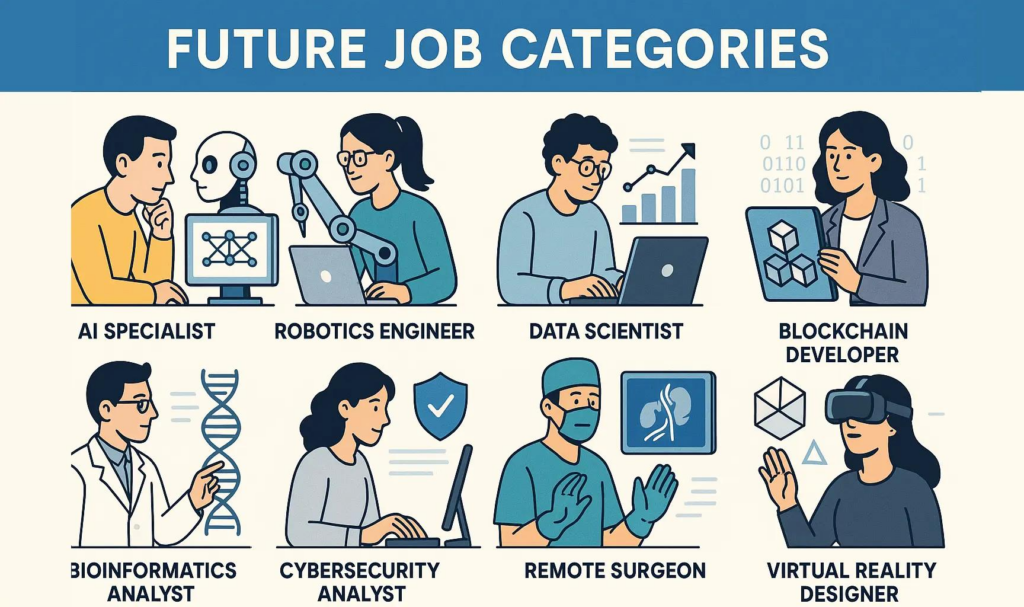
One of the biggest reasons to learn AI skills is the growing number of career opportunities connected to the technology. Companies across the world are actively hiring professionals who can develop, manage, or work with AI systems.
Some careers directly related to AI include:
- AI Engineer
- Machine Learning Engineer
- Data Scientist
- Robotics Engineer
- AI Researcher
- Data Analyst
- Automation Specialist
- AI Product Manager
- Business Intelligence Analyst
However, AI knowledge is not only useful for highly technical careers. Marketing professionals use AI tools for audience targeting and campaign optimization. Human resource teams use AI for recruitment and talent management. Customer service representatives work with AI chatbots and support systems.
In the future, many employers may expect candidates to understand at least the basics of AI regardless of their profession. Learning these skills now can help individuals stay relevant and adaptable as industries continue to evolve.
Another important advantage is salary potential. AI-related jobs are often among the highest-paying roles in the technology sector because skilled professionals are in high demand. As businesses continue investing in AI, the demand for trained workers is expected to grow even further.
People who understand AI may also have more opportunities for remote work, freelancing, entrepreneurship, and global collaboration. Digital skills allow workers to connect with international markets and participate in the growing online economy.
AI Helps Improve Productivity and Efficiency
Learning AI skills can also make individuals more productive in their daily work. AI tools can automate repetitive tasks, organize information, and help professionals focus on more creative or strategic responsibilities.
For example, AI-powered writing assistants can help generate ideas, improve grammar, and speed up content creation. Designers can use AI tools to create graphics more efficiently. Programmers can use AI coding assistants to write and debug software faster.
Businesses increasingly value employees who can use AI to improve workflows and save time. Workers who understand automation and AI integration may become more valuable because they can help organizations operate more efficiently.
AI can also help professionals make better decisions by analyzing data and identifying patterns. Instead of spending hours reviewing spreadsheets or reports, AI systems can quickly provide insights and recommendations.
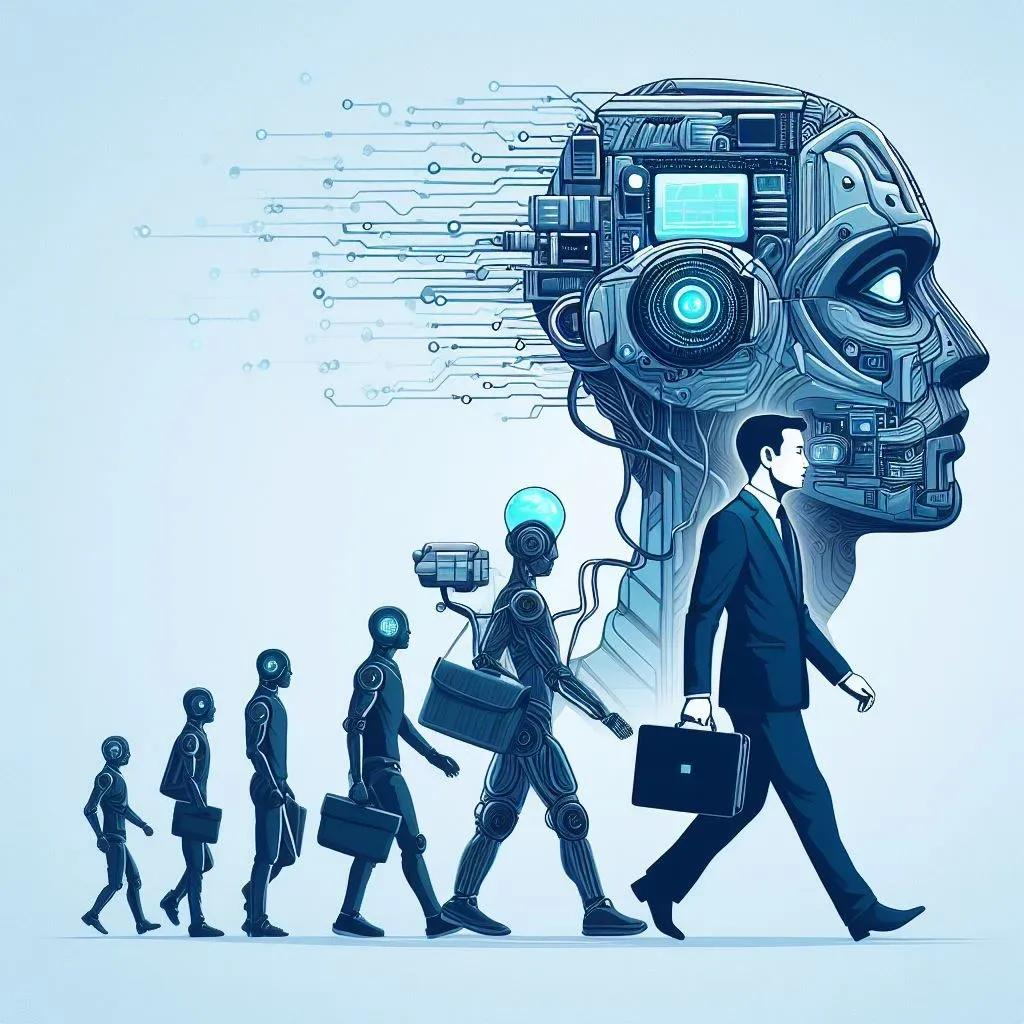
This does not mean AI will replace all human workers. Instead, many experts believe AI will change the nature of work by handling routine tasks while humans focus on creativity, communication, leadership, and problem-solving.
People who learn how to collaborate with AI systems may be better prepared for future workplaces than those who avoid technological changes.
The Importance of Adaptability in the Future Job Market
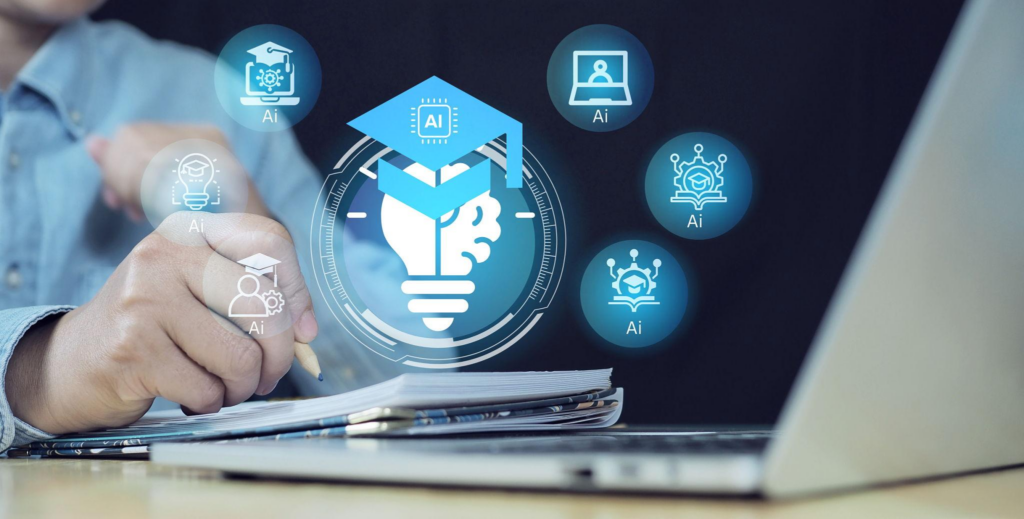
The future job market is expected to change significantly due to automation and technological advancement. Some traditional jobs may disappear, while entirely new careers will emerge.
Throughout history, technological revolutions have transformed employment patterns. During the Industrial Revolution, machines changed manufacturing jobs. The rise of computers and the internet created new digital industries. Today, AI represents another major technological shift.
Adaptability is becoming one of the most important skills for long-term career success. Workers who are willing to learn new technologies and adapt to changing environments are more likely to succeed.
Learning AI skills demonstrates a growth mindset and willingness to embrace innovation. Employers often value candidates who can continue learning and evolving alongside technology.
AI literacy may eventually become as important as computer literacy. Just as basic computer skills became essential in many professions, understanding AI concepts could become a standard expectation in future workplaces.
Young students entering schools today may eventually work in careers that do not currently exist. By learning AI skills early, individuals can position themselves for emerging opportunities instead of struggling to catch up later.
AI Skills Encourage Innovation and Creativity
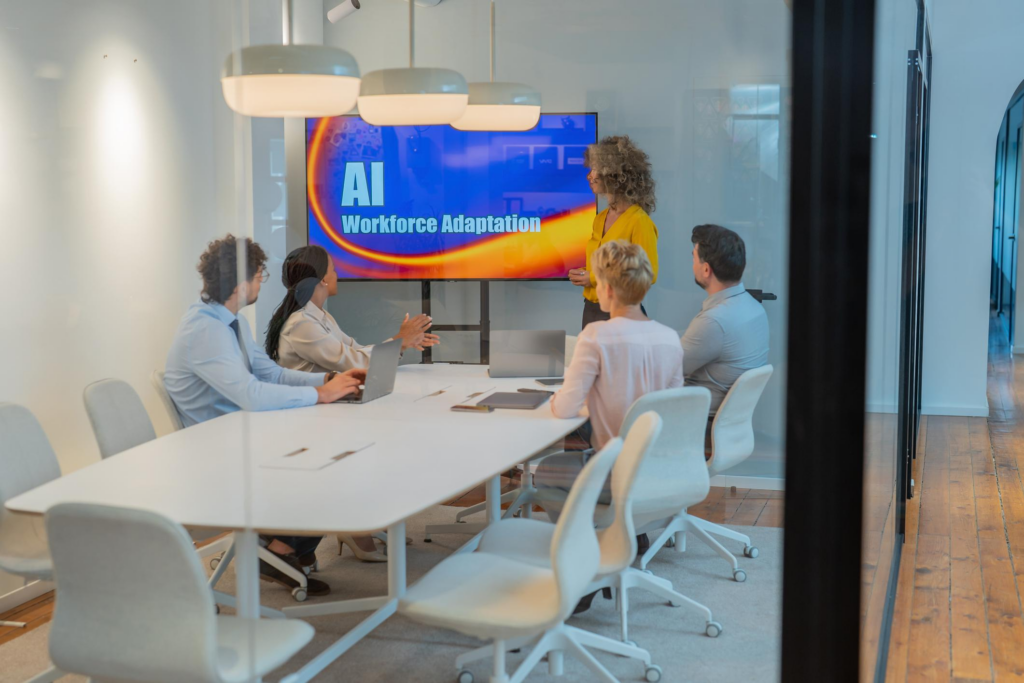
Many people assume AI only benefits technical fields, but it can also enhance creativity and innovation. AI tools can support brainstorming, content generation, design processes, and problem-solving.
Writers can use AI to generate article ideas or improve editing. Musicians can experiment with AI-generated melodies and sound patterns. Filmmakers and game developers use AI to create realistic visual effects and immersive experiences.
Entrepreneurs can use AI tools to analyze market trends, understand customer behavior, and automate business operations. Small businesses now have access to technologies that were once available only to large corporations.
Learning AI skills allows people to combine human creativity with technological efficiency. This combination can lead to innovative products, services, and business ideas.
AI also encourages interdisciplinary learning. Professionals from different backgrounds can apply AI to solve industry-specific problems. For example:
- Farmers can use AI for crop monitoring and smart agriculture.
- Environmental scientists can use AI to study climate data.
- Lawyers can use AI to review legal documents faster.
- Journalists can use AI tools for research and fact organization.
This flexibility means AI skills can be valuable in nearly every profession.
Essential AI Skills Worth Learning

People interested in preparing for future careers do not necessarily need to become advanced programmers immediately. There are many levels of AI education depending on personal goals and career interests.
Some important AI-related skills include:
Understanding AI Fundamentals
Learning basic AI concepts is a great starting point. This includes understanding machine learning, neural networks, automation, and data analysis.
Data Literacy
AI systems rely heavily on data. Understanding how to collect, interpret, and analyze data can be extremely valuable in many careers.
Programming Skills
Languages such as Python are commonly used in AI development. Learning basic programming can help individuals understand how AI systems work.
Critical Thinking
AI tools are powerful, but human judgment remains essential. Critical thinking helps professionals evaluate AI-generated information and make responsible decisions.
Communication Skills
As AI becomes more common in workplaces, professionals must be able to explain complex ideas clearly to colleagues, clients, and customers.
Ethical Awareness
AI raises important ethical questions related to privacy, bias, security, and decision-making. Understanding responsible AI practices will become increasingly important.
Problem-Solving Skills
Employers value individuals who can use AI tools to solve real-world problems and improve business operations.
These skills can often be learned through online courses, tutorials, certifications, university programs, and hands-on projects.
The Role of AI in Entrepreneurship and Business

AI is creating exciting opportunities for entrepreneurs and startups. Business owners can use AI tools to reduce costs, improve customer experiences, and scale operations more efficiently.
For example, AI-powered chatbots can provide customer support 24/7 without requiring large support teams. Marketing automation tools can personalize advertising campaigns based on customer behavior. AI analytics platforms help businesses make data-driven decisions.
Entrepreneurs who understand AI may be able to identify new business opportunities and build innovative products. Many successful startups today are based on AI-driven solutions.
Freelancers can also benefit from AI by improving productivity and offering specialized services such as AI consulting, automation setup, or data analysis.
As digital transformation continues worldwide, AI knowledge may become an important competitive advantage for both businesses and individuals.
Challenges and Concerns About AI
While AI offers many benefits, it also presents challenges that society must address carefully.
One major concern is job displacement. Some repetitive or routine jobs may become automated, affecting workers in certain industries. However, experts also believe AI will create new types of jobs and industries.
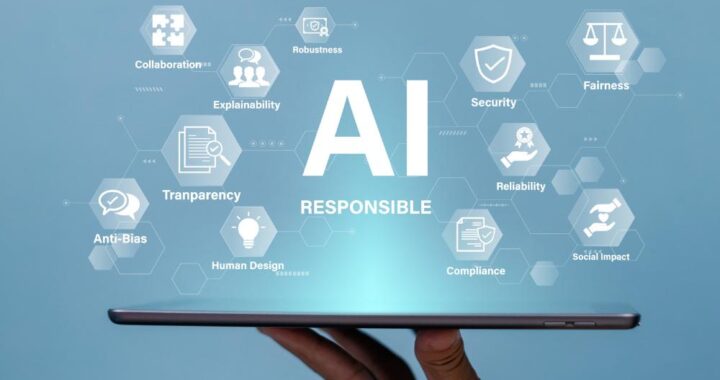
Another challenge involves ethical concerns such as data privacy, misinformation, algorithmic bias, and cybersecurity risks. Responsible AI development requires transparency, fairness, and human oversight.
Because of these challenges, future professionals will need not only technical knowledge but also ethical understanding and critical thinking skills.
Learning AI responsibly can help individuals contribute positively to society while minimizing risks associated with advanced technology.
How to Start Learning AI Skills
Getting started with AI learning has become easier than ever because of online resources and educational platforms.
Beginners can start by:
- Learning basic computer and digital skills.
- Exploring introductory AI and machine learning courses.
- Practicing simple programming projects.
- Watching tutorials and educational videos.
- Reading articles and books about AI trends.
- Joining online communities and forums.
- Experimenting with AI tools and applications.
Many free and affordable resources are available online, making AI education accessible to people around the world.
Consistency is more important than perfection. Even learning small concepts regularly can build valuable knowledge over time.
Students, professionals, and business owners alike can benefit from understanding how AI works and how it may affect their industries.
Conclusion
Artificial Intelligence is shaping the future of work, business, education, and society. As industries continue adopting AI technologies, individuals with AI-related skills are likely to have stronger career opportunities, greater adaptability, and improved productivity.
Learning AI skills is not only for programmers or technology experts. People from many different backgrounds can benefit from understanding AI concepts and using intelligent tools in their professions.
The future job market will reward individuals who are willing to learn, adapt, and work alongside emerging technologies. By developing AI skills today, people can prepare themselves for tomorrow’s careers and become more confident participants in an increasingly digital world.
Although AI brings challenges and ethical concerns, it also offers enormous potential for innovation, creativity, and economic growth. Those who embrace learning and continuous improvement may be best positioned to succeed in the AI-driven future.
In the coming years, AI literacy could become as essential as internet literacy is today. Investing time in learning AI skills now may open doors to exciting opportunities, career growth, and long-term success in a rapidly changing world.