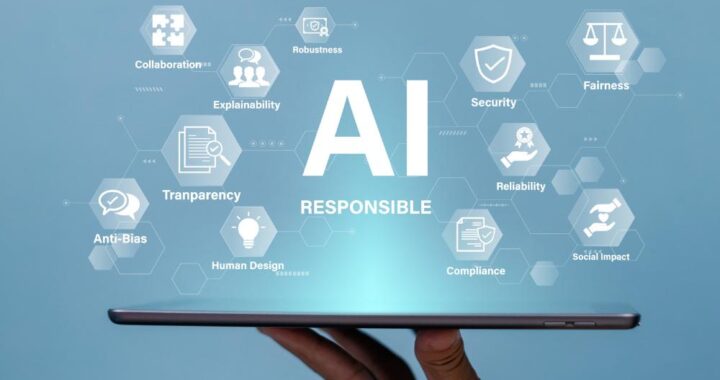
Artificial intelligence has rapidly evolved from a futuristic concept into a powerful technology shaping the modern world. Businesses, educators, healthcare professionals, and content creators are all exploring innovative ways to use AI in their daily activities. Among the growing conversations surrounding advanced technology, the term “AINext” represents the next generation of artificial intelligence solutions designed to improve efficiency, creativity, and decision-making. As technology continues to evolve, AINext symbolizes the future direction of AI-driven innovation and digital transformation.
The Rise of AINext in Modern Technology
The development of AINext reflects the increasing demand for smarter systems capable of understanding human behavior, analyzing large amounts of data, and delivering intelligent solutions. Modern companies are investing heavily in AI tools to automate repetitive tasks and improve productivity. From chatbots to recommendation engines, AI is becoming deeply integrated into business operations.
AINext stands out because it represents a more advanced stage of AI development. Instead of simply processing commands, next-generation AI systems are designed to learn continuously and adapt to changing environments. This makes them more accurate, efficient, and useful across various industries. As digital transformation accelerates worldwide, AINext continues to gain attention as a symbol of innovation and progress.
How AINext Is Changing Businesses
Businesses across different sectors are increasingly adopting AI technologies to stay competitive. AINext solutions help companies improve customer service, streamline operations, and make better strategic decisions. Many organizations now use AI-powered analytics to understand customer preferences and predict market trends more effectively.


5
For example, customer support systems powered by AI can respond to inquiries instantly, reducing wait times and improving customer satisfaction. In marketing, AI algorithms analyze user behavior to create personalized campaigns that increase engagement. Financial institutions also use advanced AI tools to detect fraud and manage risks more efficiently.
AINext technologies are not only helping large corporations but also supporting small businesses. Affordable AI tools allow startups and entrepreneurs to automate administrative tasks, generate content, and optimize online marketing strategies. This accessibility makes AINext an important part of the modern digital economy.
The Role of AINext in Education
Education is another field experiencing major transformation through artificial intelligence. AINext technologies are helping educators create more personalized learning experiences for students. AI-powered platforms can analyze individual learning patterns and recommend customized study materials based on student performance.
Students benefit from intelligent tutoring systems that provide instant feedback and interactive lessons. These systems help learners understand complex topics more effectively while allowing teachers to focus on student development rather than repetitive grading tasks.


6
AINext also supports remote learning by improving online educational platforms. Features such as speech recognition, automated translations, and adaptive learning systems make education more accessible to people worldwide. As educational institutions continue embracing technology, AINext is expected to play an even greater role in shaping the future of learning.
AINext and Creative Industries
Artificial intelligence is no longer limited to technical or analytical tasks. Creative industries are also experiencing significant changes through AI-driven innovation. Writers, designers, musicians, and video creators are using AI tools to improve productivity and generate new ideas.
AINext technologies can assist content creators by generating outlines, editing visuals, and suggesting creative concepts. Graphic designers use AI-powered software to create stunning digital artwork, while musicians experiment with AI-generated melodies and compositions. Video editors also benefit from automated editing tools that reduce production time.


8
Rather than replacing human creativity, AINext serves as a collaborative tool that enhances creative workflows. By automating repetitive tasks, creators can focus more on innovation and storytelling. This combination of human imagination and AI efficiency is shaping a new era in digital creativity.
Challenges and Ethical Concerns of AINext
Despite its many advantages, AINext also raises important ethical and social concerns. One of the biggest challenges is data privacy. AI systems often rely on large datasets to function effectively, which creates concerns about how personal information is collected and stored.
Another concern involves job displacement. As automation becomes more advanced, certain repetitive jobs may be replaced by AI-powered systems. This has sparked debates about the future of employment and the need for workforce adaptation. Experts emphasize the importance of reskilling programs to help workers transition into new technology-driven roles.
Bias in AI systems is another issue receiving significant attention. If AI models are trained using biased data, they may produce unfair or inaccurate results. Developers and organizations must therefore prioritize transparency, fairness, and accountability when building AINext technologies.
Cybersecurity is also becoming increasingly important as AI systems grow more sophisticated. Protecting digital infrastructure from cyber threats remains a major priority for businesses and governments worldwide.
The Future of AINext
The future of AINext appears incredibly promising as technology continues advancing at a rapid pace. Innovations in machine learning, robotics, and natural language processing are expected to create even more intelligent systems capable of handling complex tasks with greater accuracy.


6
In healthcare, AINext could improve disease diagnosis and accelerate medical research. In transportation, AI-powered autonomous vehicles may transform mobility and logistics. Smart cities powered by AI could optimize energy usage, traffic management, and public services.
As artificial intelligence becomes more integrated into everyday life, collaboration between humans and machines will continue evolving. The goal of AINext is not simply automation but the creation of smarter systems that improve human experiences and solve global challenges more effectively.
The continued growth of AINext demonstrates how technology can reshape industries, improve communication, and unlock new opportunities for innovation. As businesses and individuals adapt to this technological revolution, AINext is positioned to become a major driving force behind the future of the digital world.