AI in 2026 isn’t just a futuristic concept anymore—it’s already reshaping how everyday jobs work across industries. The biggest shift isn’t that “robots are taking over jobs,” but that AI is changing tasks, skills, and workflows inside almost every job.
Here’s a clear breakdown of how it’s happening.
1. Routine work is being automated first
Many repetitive and time-consuming tasks are now handled by AI tools and automation systems.
This includes:
- Data entry and reporting
- Scheduling meetings and emails
- Basic customer support chats
- Simple accounting and invoicing tasks
AI systems and assistants can now complete these tasks faster and with fewer errors, which is why many companies are reducing manual workload in these areas.
2. Most jobs are not disappearing—they are being reshaped
Instead of fully replacing workers, AI is changing what people do inside their roles.
For example:
- Teachers use AI to create lesson plans and quizzes
- Doctors and nurses use AI for faster diagnosis support and documentation
- Marketers use AI for content drafts and campaign ideas
- Software developers use AI to write and debug code faster
Research shows that a large share of jobs are being “reshaped” rather than eliminated, meaning humans still stay central but focus on higher-level work.
3. New job roles are emerging quickly
AI is also creating entirely new types of jobs that didn’t exist a few years ago.
Some examples:
- AI workflow designers
- Prompt engineers
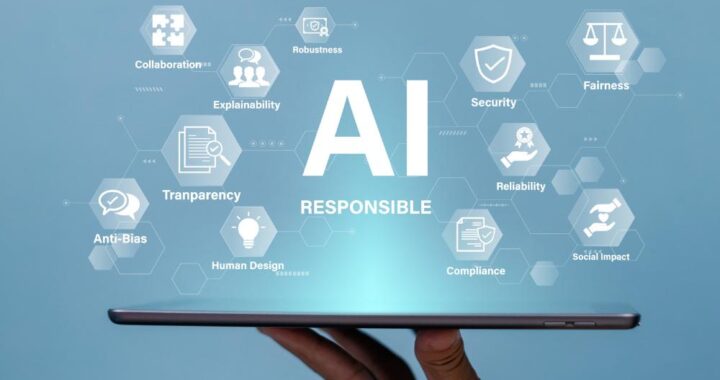
- AI ethics and compliance officers
- AI operations managers
- Automation specialists
Companies are even hiring dedicated roles to integrate AI into business operations across departments like HR, finance, and marketing.
4. Office work is becoming “AI-assisted”
In many workplaces, AI tools now act like “co-workers.”
Common changes include:
- AI writing first drafts of reports and emails
- AI summarizing meetings and documents
- AI generating business insights from data
- AI handling customer queries 24/7
This is increasing productivity but also changing expectations—employees are now expected to work with AI, not without it.
5. Skills that matter are shifting
The most important change in 2026 is not job loss—it’s skill change.
Growing in demand:
- AI literacy (knowing how to use AI tools)
- Critical thinking and decision-making
- Communication and teamwork
- Creativity and problem-solving
- Ability to supervise AI systems
Studies suggest a significant portion of job skills are already changing due to AI adoption.
6. The biggest impact: humans + AI working together
The future workplace is increasingly a hybrid system:
- AI handles speed, scale, and repetition
- Humans handle judgment, strategy, and relationships
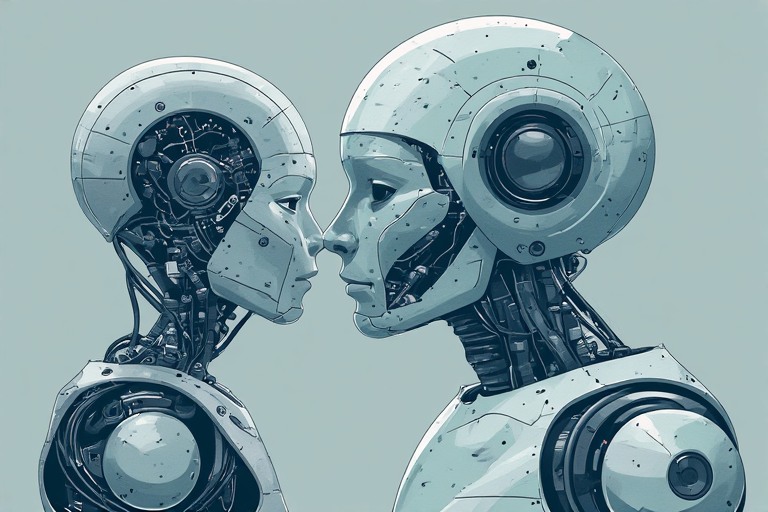
Even complex workplaces are redesigning jobs so humans and AI complement each other rather than compete directly.
Conclusion
In 2026, AI is not simply “replacing jobs”—it is rebuilding how jobs work.
The biggest transformation is this:
- Less time on repetitive tasks
- More focus on decision-making and strategy
- Continuous need to learn new digital and AI tools
Workers who adapt to using AI as a daily tool are becoming more productive and often more valuable in the workplace.